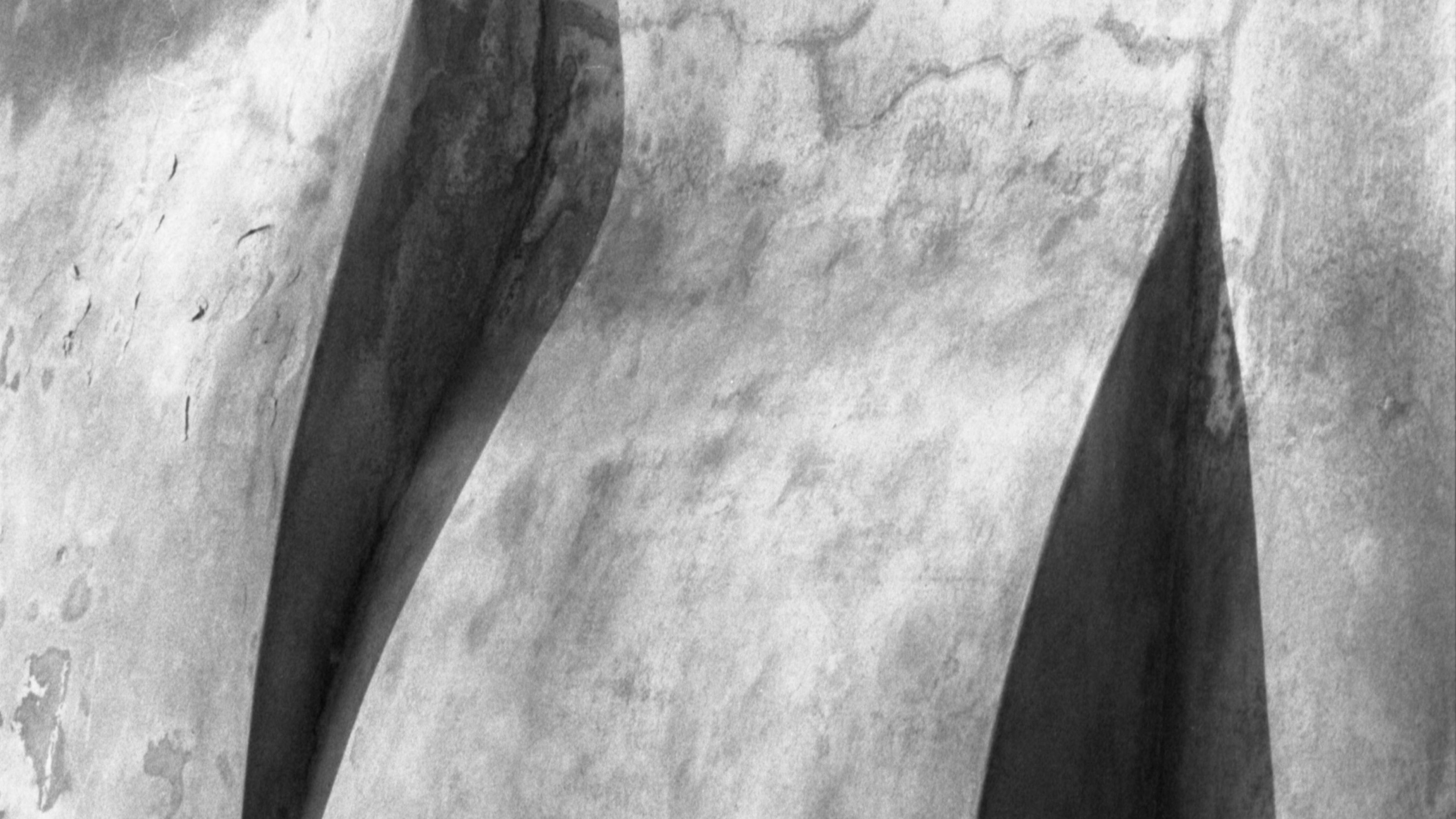
Stanislav Tůma (1950–2005) is best known as a photographer inspired by the poetic setting of Prague’s Malá Strana and Hradčany districts, which in urbanistic terms embody the subtle complexities of cultural history and human memory. Winding streets, tucked-away courtyards, arcades, gateway passages, crumbling walls and the poignant language of unexpected architectural details become active partners in an implicit dialogue about the passing of time. It is a dialogue about man who, like a shadow, moves across the specific surroundings of his life – within the cycle both of a brief day and long years. Here, the classical ‘building blocks’ of black-and-white photography – light, shade, outline, volume and surface – create a visual testimony evoking in the viewer an awareness of the ever-changing and transient nature of human fate. Even where the legible human figure is absent, we can sense in Tůma’s photographs a lyrical and occasionally also humorously ironic statement about the layers of human stories woven into the historical context of his beloved Prague quarters.
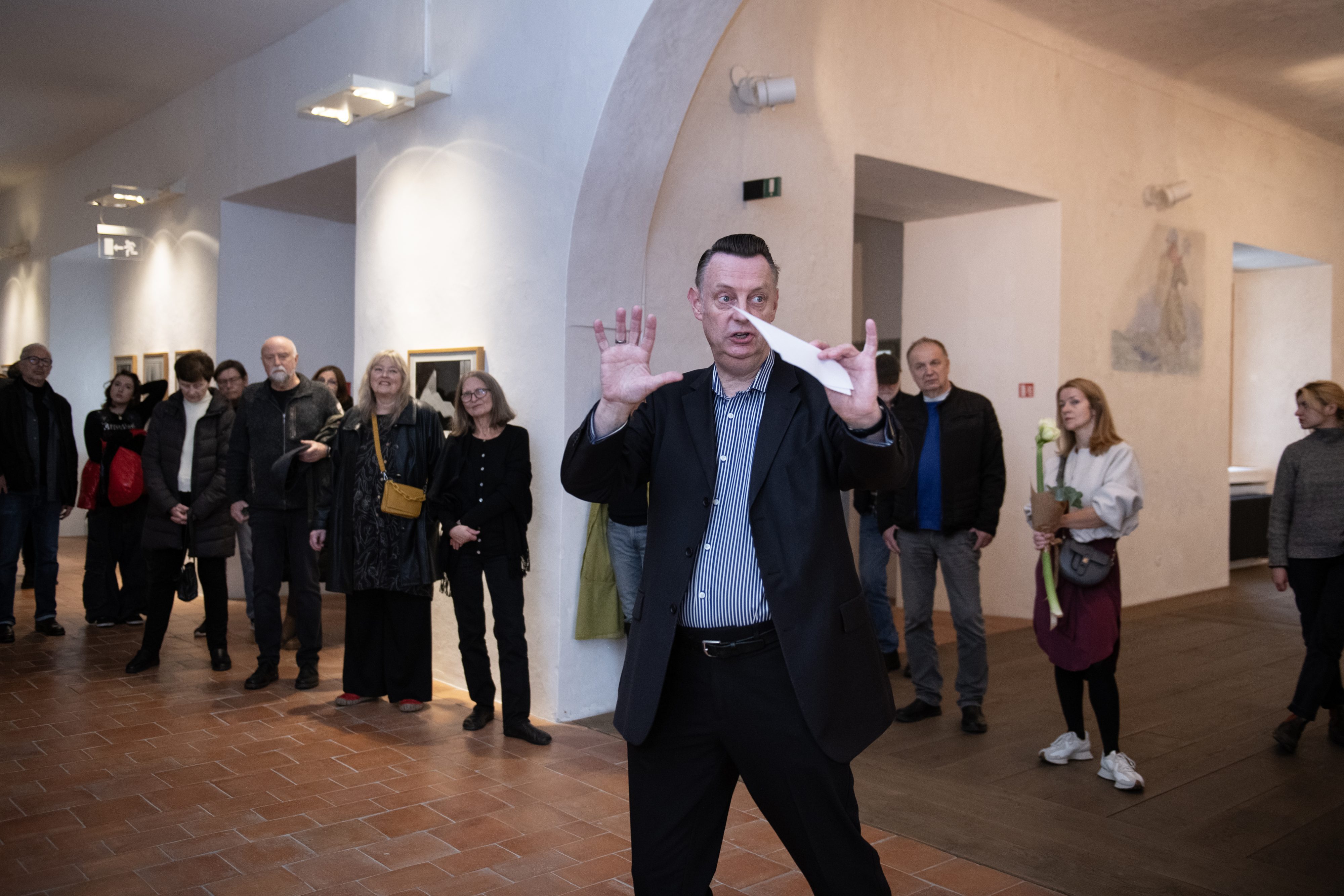
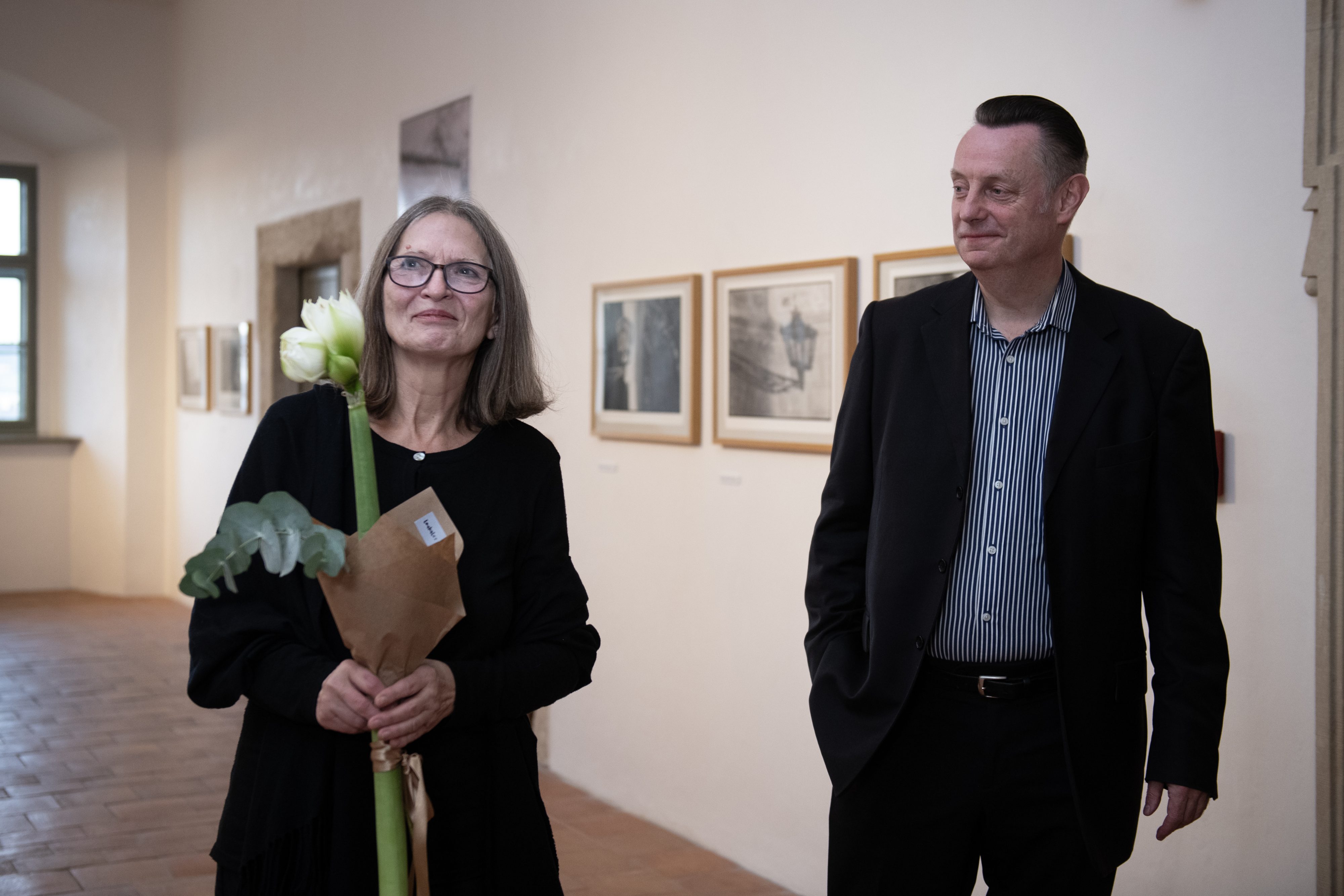
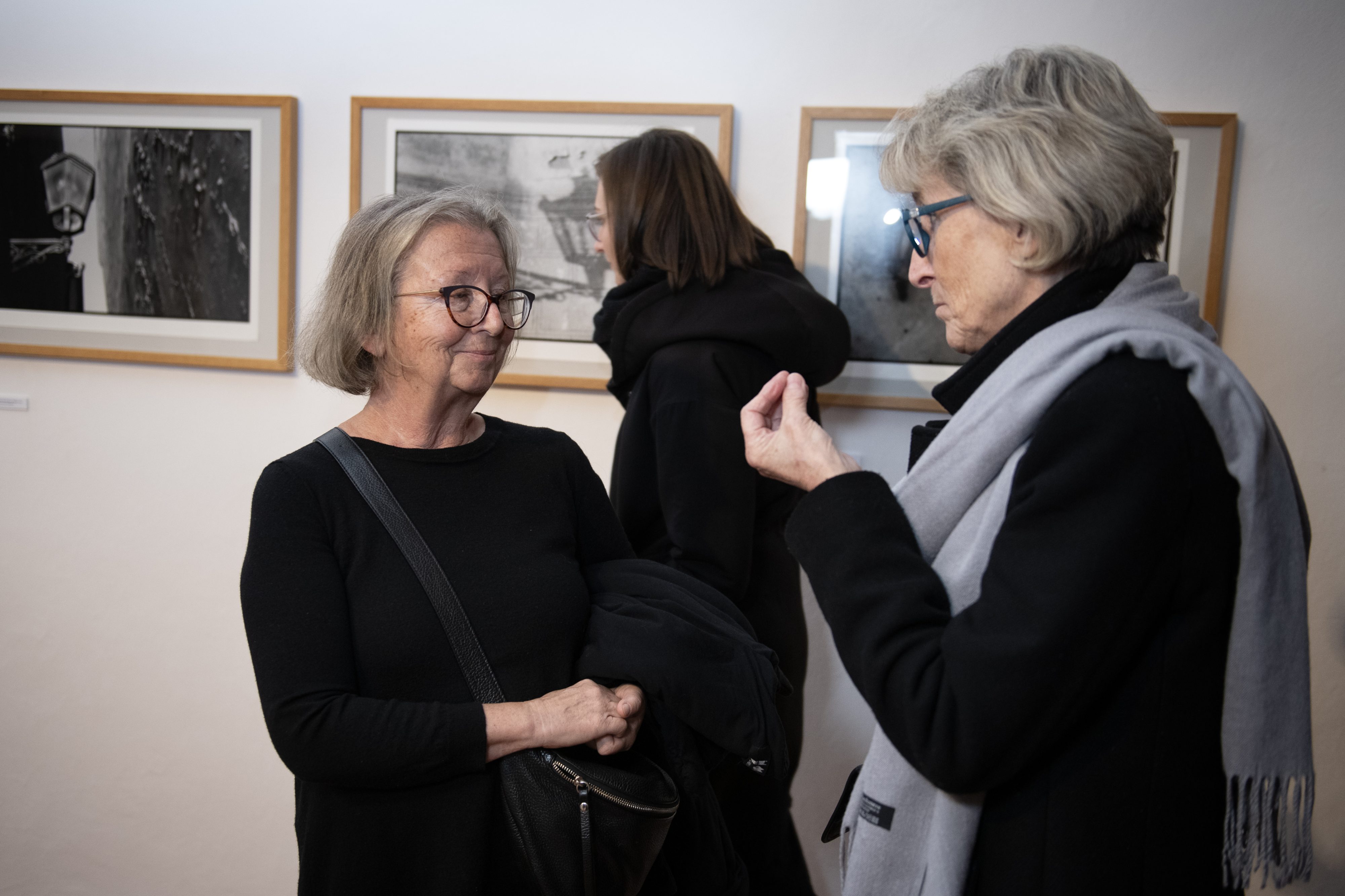
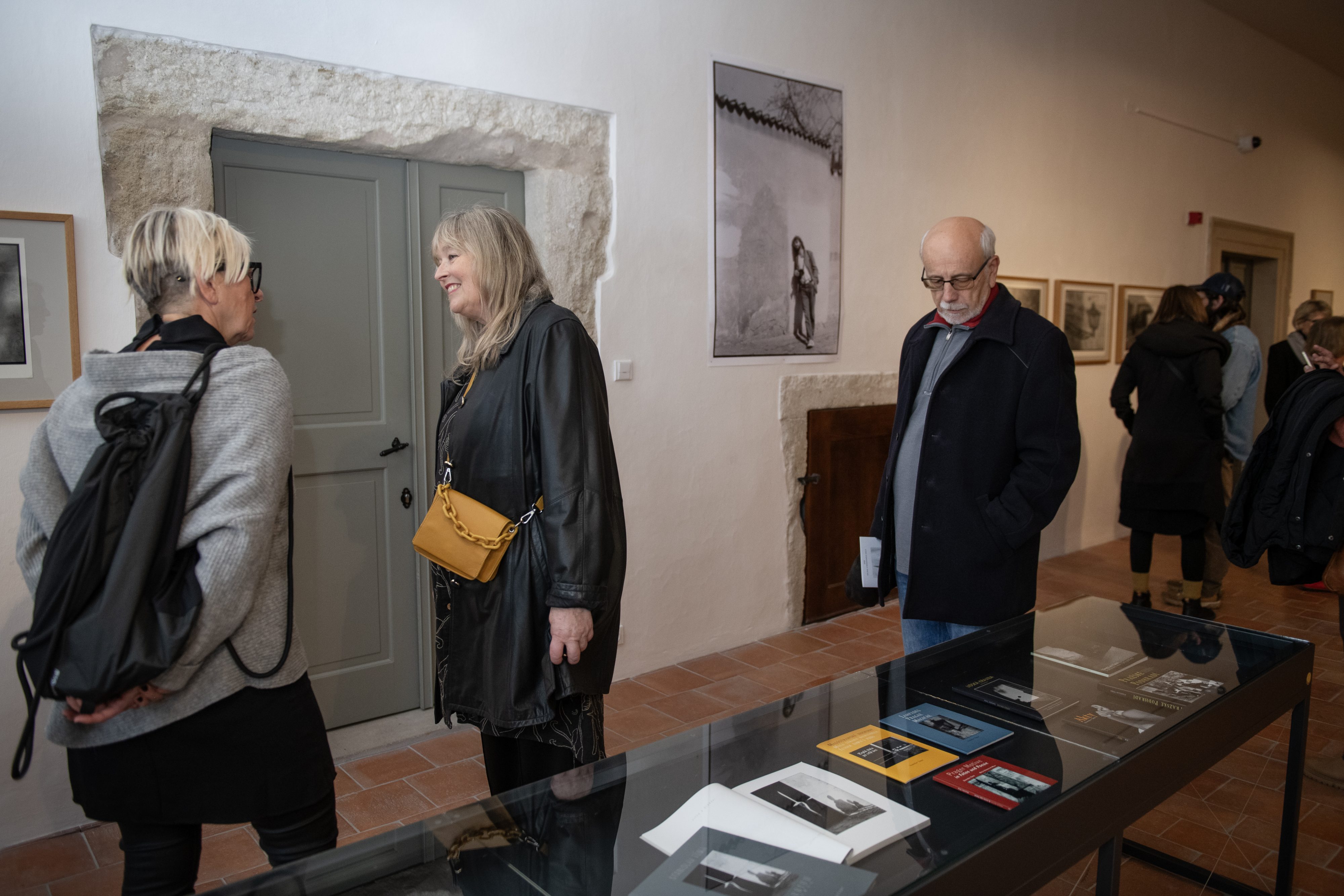
This intimate exhibition at GASK is being staged in tribute to a major figure of modern Czech photography in the year marking the twentieth anniversary of his death and what would have been his seventy-fifth birthday. The selected collection of works includes some twenty photographs taken between 1980, when Tůma moved to Sweden, and 2004, not long before his untimely death. It focuses on Tůma’s fascination with the phenomenon of chiaroscuro, in other words the symbolic contrasting of light and shadow, which similarly determined other areas of his work, specifically portraits and nudes.
Although modest in size, the collection of exhibited photographs encapsulates the essence and uniqueness of Tůma’s expression, stemming from his paradoxical nature as a socially involved person who, at the same time, had an inherent need for the independent detachment of a solitary observer. During frequent walks, he discovered architectural details and intangible spatial configurations projected by the ideal alignment of light conditions in the setting of Malá Strana and Hradčany still untouched by the ‘improving hand’ of tourism and commerce. It was mostly a case of waiting for the moment when the desired subject appeared like a ‘spectre’ in front of the lens.
Through precise timing and carefully considered composition, Stanislav Tůma created space for rich symbolic reading in his photographs. His work is not a description of reality (no matter how picturesque), but a kind of non-verbal poem or painting born out of a moment, suggesting an almost magically surreal interpretation of the everyday world. Here, man’s literal presence disappears while his ‘sublimated’ presence is, on the contrary, intensified in segments of architecture perceived in a bodily way as well as in coincidental shadows, patches and objects with potential for anthropomorphic interpretation. The focus of our vision as viewers thus shifts from physical concreteness and objective time to the inner sphere of imaginative association and the subjective time of recollection.

 English
 Česky
Česky