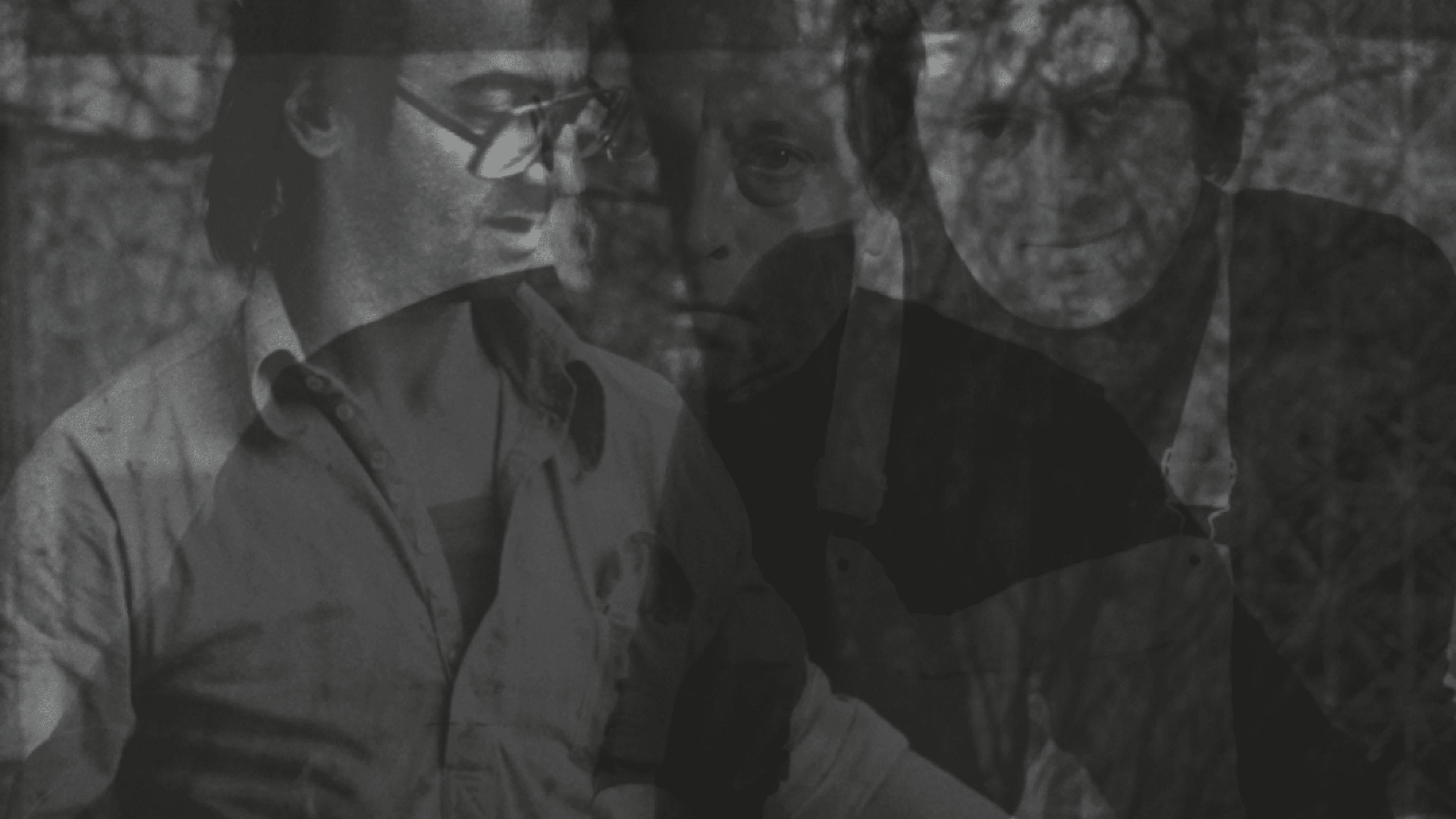
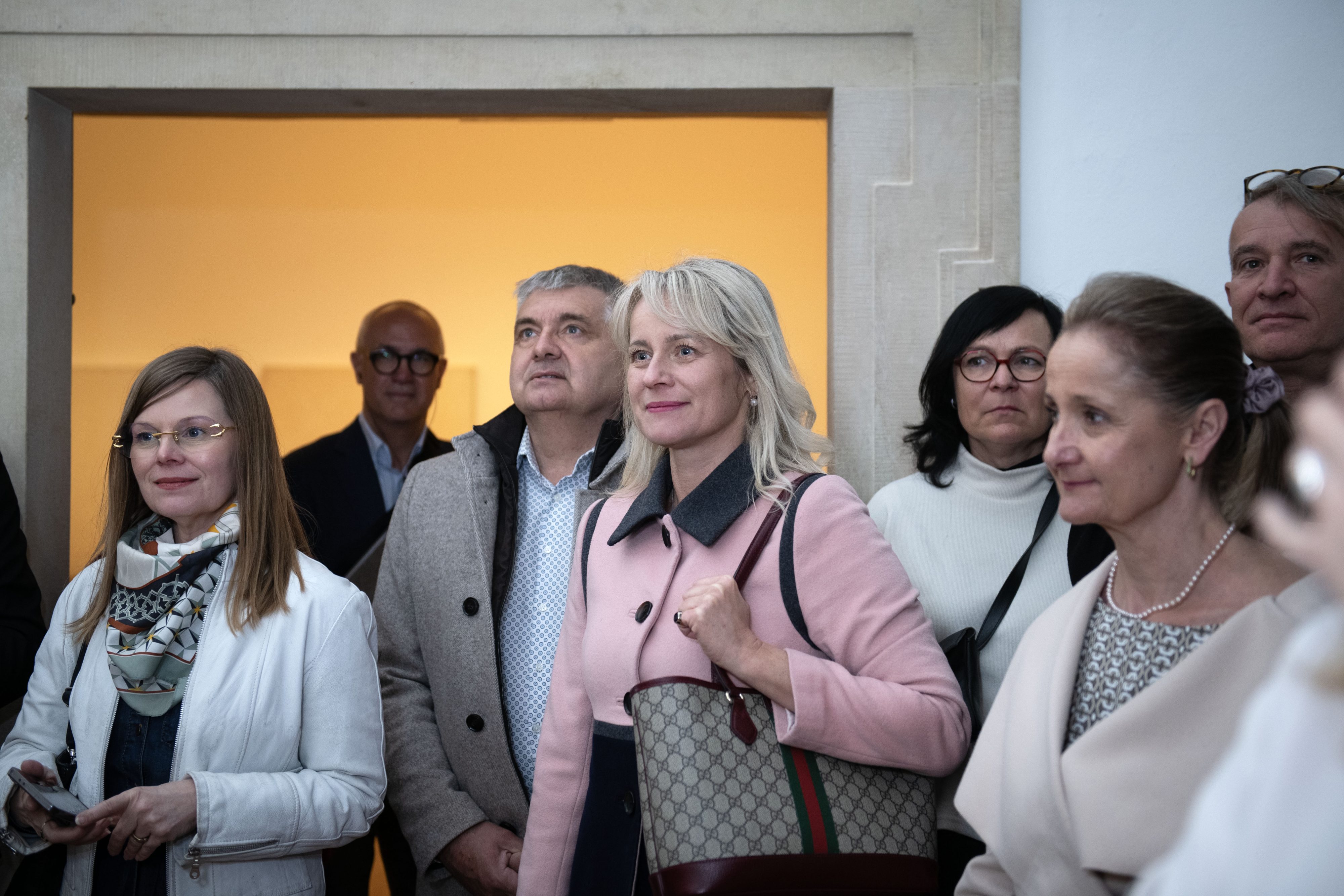
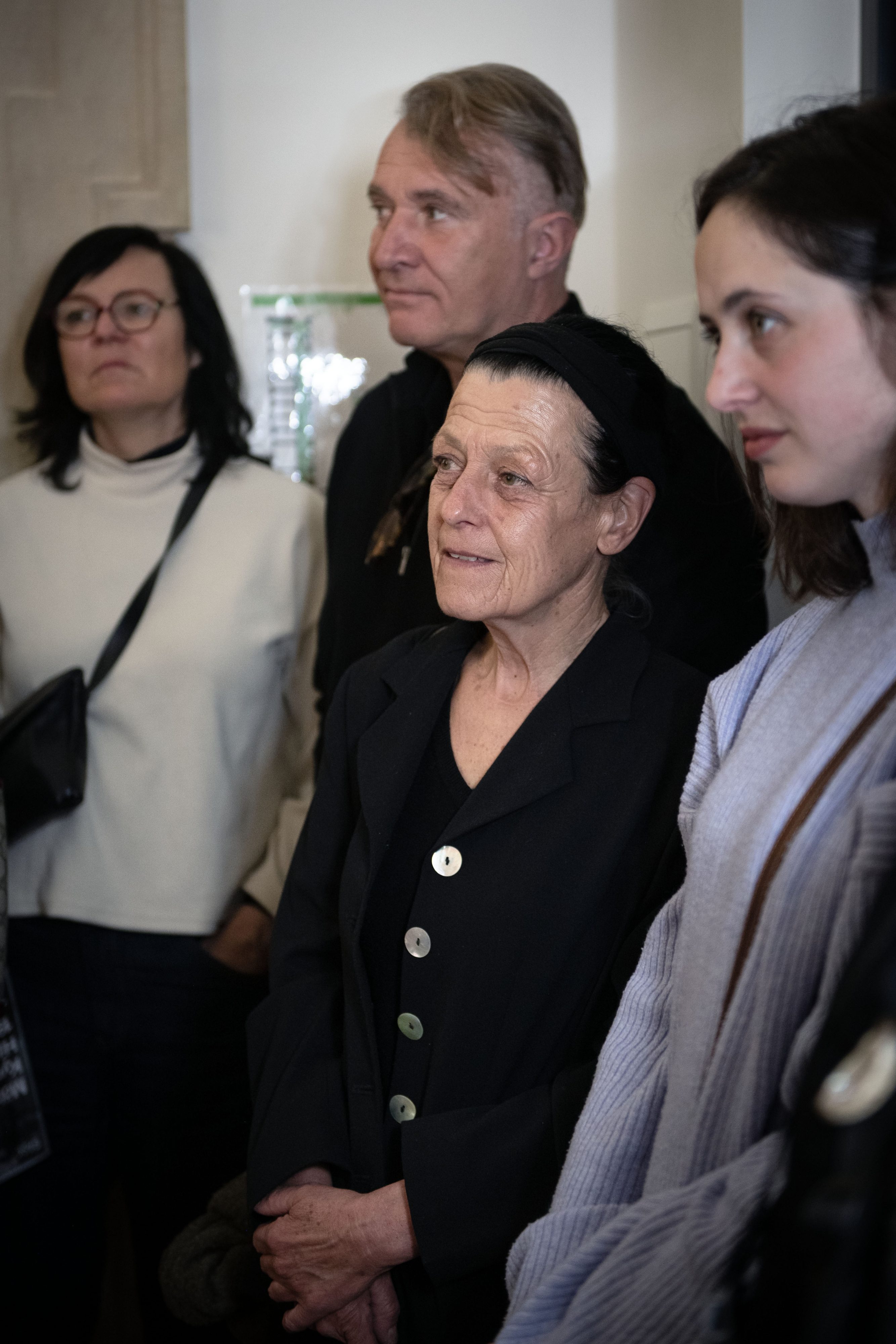
The exhibition Mölzer Kyncl Hilmar 1968–1978 marks the first systematic exploration of the life and work of three distinctive representatives of postwar art – Milan Mölzer (1937–1976), František Kyncl (1934–2011) and Jiří Hilmar (1937) – during the key period of the first ten years after 1968. The exhibition and the publication seek to introduce the Czech public to several artists of ‘New Sensitivity’ who emigrated after 1968 to West Germany, where they further developed their constructive tendencies in direct contact with one of the world’s most important art scenes.
The exhibition has been conceived as a map of the relationships, places and events that shaped their activities in exile. This approach, founded on the idea of ‘networks’, traces their main areas of activity in West Germany, reconstructs group exhibitions, looks at their professional and personal ties and their contacts with gallerists, theorists and art institutions, also exploring their oeuvre within a broader cultural and historical context. With this in mind, it places the work of Mölzer, Kyncl and Hilmar in an international dialogue with the most influential tendencies in art then concentrated around Düsseldorf, including the ZERO group. The exhibition also looks at their relations to artists such as Joseph Beuys and to artists, teachers and sculptors active on this scene (Günter Uecker, Norbert Kricke, Klaus Rinke).
An important part of this exhibition project involves work with archival materials, through which the curators have attempted to reconstruct, as precisely as possible, these three artists’ activities in West Germany in 1968–1978 and to discover new connections that have so far remained little-known and largely unstudied in the Czech context. An important source of chronological and interpretative information has been provided by František Kyncl’s collage-like diary entries, which help to shed light on his way of thinking while also painting a vivid picture of the era’s socio-cultural atmosphere. The exhibition also looks at Kyncl’s other long-term activities, including his publication of the magazine Černé na bílém [Black on White], which informed academic and professional circles in West Germany about artists (in particular those from Czechoslovakia) who for various reasons couldn’t, or were not allowed, to exhibit their work in Czechoslovakia, including those living outside their home country.
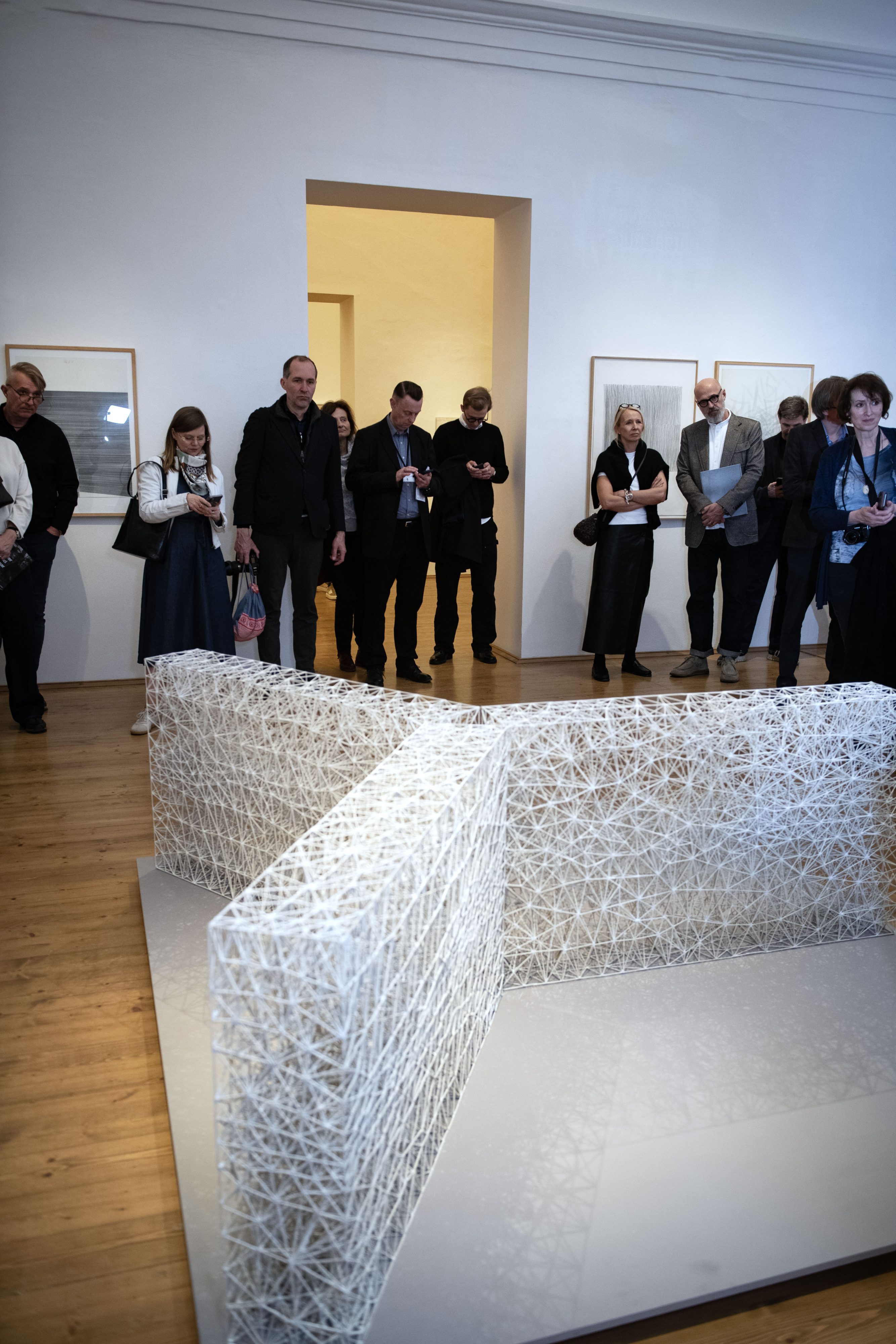
All three of the exhibition’s artists experimented with traditional materials and techniques, which allows for a precise comparison of their creative intentions: at certain moments, their strategies overlap, while at other times, each sets off in his own direction, and any commonalities develop individually. The main focus will be on monumental works on paper – reliefs and objects that underscore the experimental nature of and European scope of their artistic practice. The exhibition presents important and well-known works alongside previously unknown works from public and private collections – besides GASK, these include institutions and private collections, mainly from the Czech Republic but also from other countries such as Germany.
At the same time, the exhibition at the Gallery of the Central Bohemian Region opens up broader questions regarding the context of that time. It shows how these artists’ individual talents reflected contemporary trends and how their works resonated not just with each other mutually, but also with international tendencies in the 1970s. It thus paves the way for a new perspective on artists whose work has long transcended the boundaries of their domestic environment and fosters a dialogue between the Czech and European art scenes in the period after 1968.
This exhibition, together with an accompanying bilingual catalogue and documentary film, further expands the network of connections and stories associated with Mölzer, Kyncl and Hilmar’s exile activities in the period from 1968 to 1978.

 English
 Česky
Česky